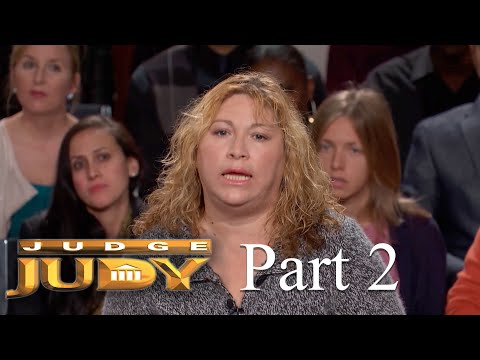
FULL VIDEO AT THE END OF THIS POST
THIS EXCUSE DID NOT GO WELL IN COURT!
The Babysitting Battle Begins
Imagine a courtroom where the details of a childcare agreement are under intense scrutiny.
That is exactly what happens in this Judge Judy case.
Ms. Lomeli is the plaintiff.
She claims Ms. Fernandez, the defendant, owes her for babysitting services.

The Plaintiff's Claim for Unpaid Childcare
Ms. Lomeli states that Ms. Fernandez hired her to care for her two children.
The initial agreement, according to Ms. Lomeli, was that Ms. Fernandez would apply for state aid.
This aid would pay Ms. Lomeli $11 an hour per child.
This would total $22 an hour.
Ms. Lomeli believed the state would pay her directly after Ms. Fernandez submitted the hours.

The Defendant's Different Story
Ms. Fernandez denies telling Ms. Lomeli that the state would pay her $22 an hour.
She states they met in April 2014.
They were not friends or relatives.
Ms. Fernandez says she was looking for childcare.
Ms. Lomeli offered her services.
Ms. Fernandez claims she offered Ms. Lomeli around $50 a week.
She says Ms. Lomeli agreed to this amount.
This was because Ms. Fernandez did not have a set income.
She worked cleaning houses.

The State Program Confusion
Judge Judy asks Ms. Fernandez about the state program.
Ms. Fernandez confirms she was going to pay Ms. Lomeli through a state program.
She explains that she had worked for the program before.
She was doing childcare and getting paid by the program for someone else's children.
This experience meant she knew how the program worked.
Ms. Fernandez states she told Ms. Lomeli she would fill out the paperwork.
She said Ms. Lomeli would be compensated by the state.
Ms. Fernandez applied for the program in May.
Ms. Lomeli started working for her in June.
Ms. Lomeli stopped working on the second or fifth of August.

Judge Judy Catches a Contradiction
Ms. Fernandez tells Judge Judy that she informed the program she was paid in cash.
She needed proof of income for the program.
She did not have paychecks.
Ms. Fernandez claims she told Ms. Lomeli this.
She says Ms. Lomeli did not seem to mind.
Ms. Lomeli allegedly said she would wait for the program.
She only asked for gas money.
Judge Judy points out a major problem with this statement.
Ms. Fernandez knew she could not get into the program.
This was because she was paid in cash and not reporting her income.
Judge Judy states that Ms. Fernandez is a "pretty smart cookie."
She implies Ms. Fernandez knew the program would not come through.
The Alleged $14 an Hour Agreement
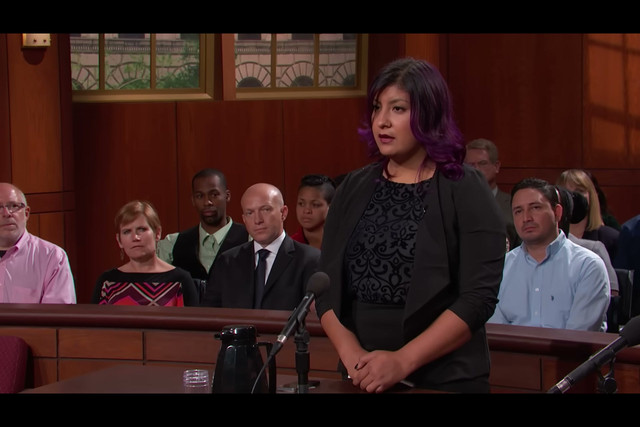
Ms. Lomeli states that Ms. Fernandez later agreed to pay her $14 an hour.
This was to be paid out of Ms. Fernandez's own pocket.
This agreement was supposedly made towards the end of their working relationship.
Ms. Lomeli says it was about a week before she stopped working.
Judge Judy asks for the specific date of this conversation.
She explains that if Ms. Fernandez agreed to pay $14 an hour and did not, Ms. Lomeli would be entitled to that money.
Ms. Lomeli worked for eight weeks.
Judge Judy clarifies that Ms. Lomeli would only be paid for the period of the $14 an hour agreement.
Ms. Lomeli estimates the conversation happened on Tuesday, July 29th.
This would mean she worked four days under that agreement.
She cannot immediately calculate the hours worked for those four days.
The Defendant Denies the $14 an Hour Claim
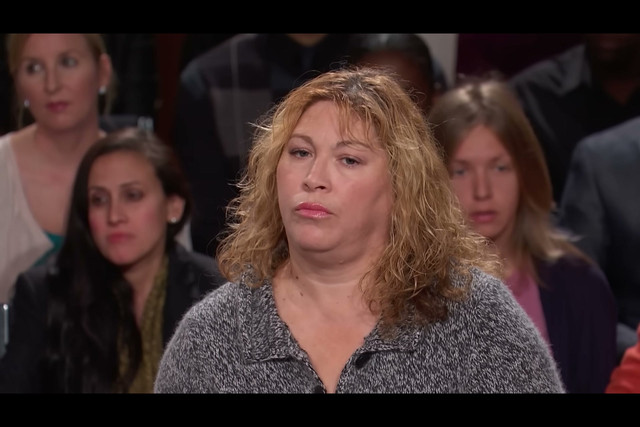
Ms. Fernandez calls Ms. Lomeli a liar.
She claims the conversation about $14 an hour happened a week after Ms. Lomeli stopped working.
Ms. Lomeli had sent a text saying she could not wait for the program anymore.
Ms. Fernandez says Ms. Lomeli just wanted "money you owe me."
Ms. Fernandez states she did not owe her anything.
She questions how she could agree to pay $14 an hour when she was only making $9 or $10 an hour.
The Text Messages and Oral Agreement
Ms. Lomeli mentions having text messages.
These messages, she claims, show Ms. Fernandez saying she would pay her.
They also show Ms. Fernandez trying to get loans.
Judge Judy states that hoping to do something is not a contract.
She acknowledges that both parties failed by not having anything written down.
However, an oral agreement can be valid.
Judge Judy outlines a hypothetical oral agreement.
This agreement would involve the defendant applying for the program.
In the meantime, the plaintiff would be paid a certain amount per week.
If the program money came through, the initial payments would be returned.
Judge Judy asks if Ms. Fernandez was "slick."
She suggests Ms. Fernandez got something for almost nothing.
This was because she paid Ms. Lomeli around $50.
Ms. Lomeli clarifies that sometimes it was even less.
It was "whatever she had."
Judge Judy's Final Words
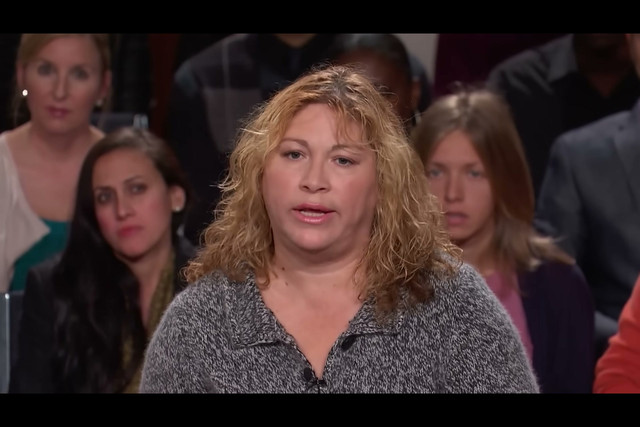
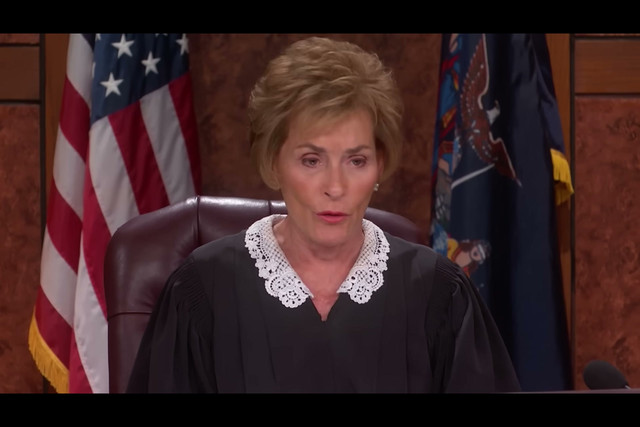
Judge Judy states that if Ms. Lomeli allowed inconsistent payments, the court cannot help her.
She emphasizes the importance of getting paid consistently.
She says she cannot help Ms. Lomeli because she cannot provide specific dates or calculations for the alleged $14 an hour agreement.
The initial agreement for state aid never materialized.
This was due to Ms. Fernandez's inability to qualify.
Watch the Full Judge Judy Case Below
See how this childcare dispute unfolds.
The details of the agreement are key.
Scroll down.
Press play.
FULL VIDEO
CLICK HERE TO WATCH THE FULL VIDEO
https://www.youtube.com/watch?v=JCKcEUReJTg