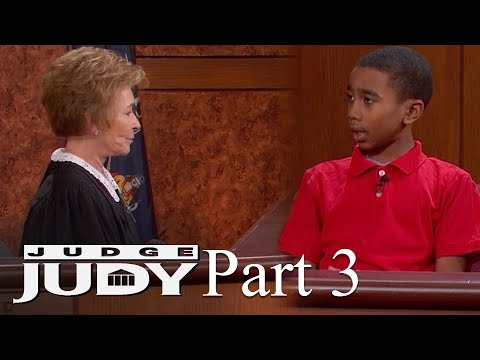
FULL VIDEO AT THE END OF THIS POST

THIS EXCUSE DID NOT GO WELL IN COURT!
A Neighborhood Dispute Over a Basketball
Imagine a simple game of basketball turning into a courtroom drama.
That is exactly what happened in Judge Judy's court.
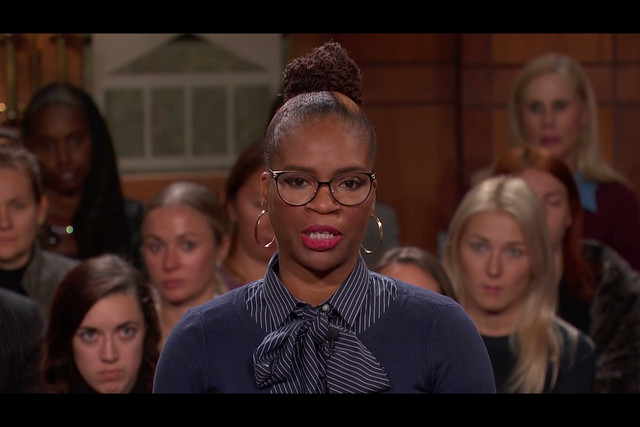
Miss Brown, the plaintiff, brought a case against Lamont, an 11-year-old boy, and his father.
The dispute centered around a basketball and alleged damage to Miss Brown's car.

The Plaintiff's Story: A Kicked Car
Miss Brown explained her side of the story.
She lives in the same community as Lamont and his younger brother.
She stated that the boys often played basketball in the street.
Sometimes, their play would spill into her yard.
She found this annoying.
She also mentioned trash being left in her yard.
One day, Lamont left his basketball in her yard.
Miss Brown had enough.
She took the basketball inside her house.
Several days later, Lamont and another child approached her car.
Miss Brown was pulling out of her driveway.
Lamont asked her, "Do you have our basketball?"
Miss Brown confirmed that she did.
Lamont then said, "I want my basketball back."
Miss Brown claimed Lamont added, "and you're going to give it to me."
She then alleged that Lamont kicked her car during this exchange.
She presented photographs of the damage to her car door.

The Defendant's Account: No Kicking
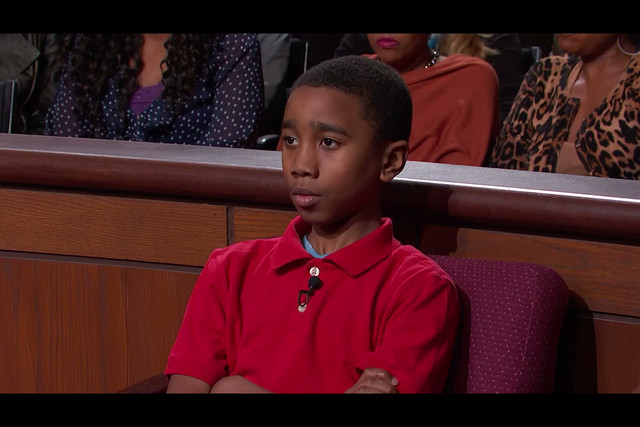
Lamont, the 11-year-old defendant, offered a different version of events.
He stated that Miss Brown told them to "Get out the street."
He pointed out they were in a driveway, not the street.
He asked Miss Brown, "Can I get my ball back?"
Miss Brown replied, "No."
Lamont then said, "I'm going to get my daddy."
Miss Brown responded, "Go get your daddy."
Lamont firmly denied kicking the car.
Miss Brown's Search for Parents
Miss Brown then described her efforts to find Lamont's parents.
She said she went around the neighborhood.
She wanted to talk to them because she felt Lamont was "disrespectful."
She even offered $5 to other children.
This was to find out who Lamont's parents were.
She claimed the children refused her offer.
Miss Brown stated that when she returned to her car, Lamont kicked it.
She said one of the other boys restrained him.
She quoted Lamont saying, "What are you going to do?
What are you going to do?"
The Police Report Reveals a Contradiction
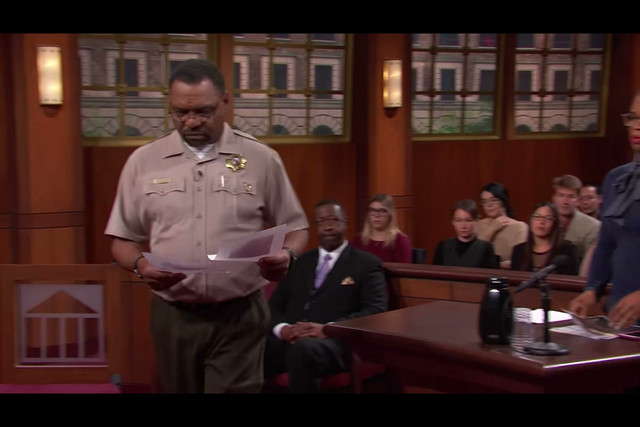
Judge Judy then asked to see the evidence.
Miss Brown presented a police report.
This report contained a significant detail.
It stated that Lamont admitted to kicking the car.
The report also explained why he kicked it.
He told the police he kicked the car because Miss Brown called him a "little boy."
Judge Judy confronted Lamont with this information.
She explained that he either lied to her or to the police.
She asked him which one it was.
Lamont admitted he lied to the police.
He said he lied "because every time."
Judge Judy told him that lying is not a good thing to do.
Judge Judy's View on the Basketball
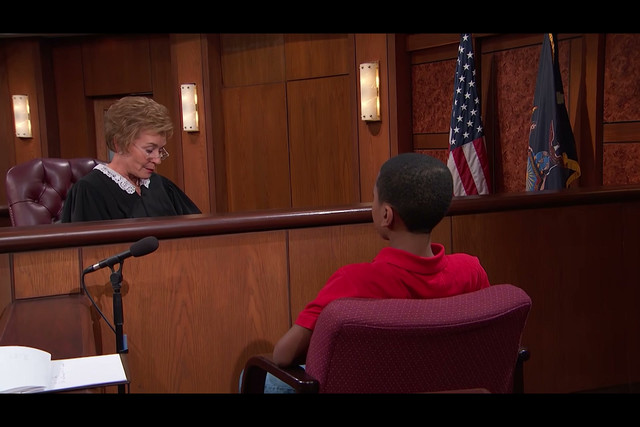
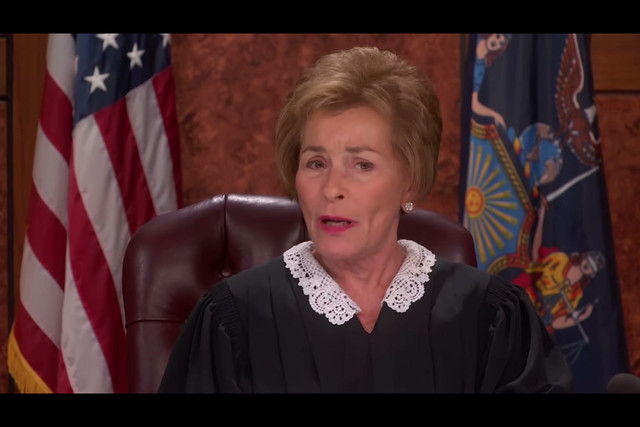
Judge Judy then shifted her focus to Miss Brown's actions.
She stated that Miss Brown actually stole Lamont's property.
She referred to Miss Brown taking the basketball.
Miss Brown tried to defend her actions.
She mentioned other balls and trash left in her yard.
She also cited safety concerns.
Judge Judy explained that holding someone's property and refusing to return it is larceny.
She emphasized the seriousness of this act.
The Father's Role and Judge Judy's Scrutiny
Judge Judy then addressed Lamont's father.
She questioned him about his son's lie.
She suggested that Lamont had time to reflect and talk to his father.
She implied that the father might have influenced Lamont's current testimony.
Lamont's father stated he wouldn't encourage his son to lie.
He also said he wouldn't let his son talk to the police.
Judge Judy reminded him that Lamont did speak to the police.
She stressed the father's responsibility.
She said a father should tell his son to stick to the truth.
Especially if he told the police the truth at the time of the incident.

No Sympathy for Miss Brown
Judge Judy expressed her lack of sympathy for Miss Brown.
She stated that kids playing sports is normal.
She found no problem with young people playing in the street or on grass.
She said they were not doing anything bad for society.
They were not doing anything illegal.
They were playing basketball, which is what they should be doing.
She reiterated that she had no sympathy for Miss Brown at all.

The Verdict and Civilized Behavior
Judge Judy acknowledged that Lamont could not kick the car.
She stated that kicking a car is not the appropriate response.
She explained how civilized people handle disputes.
She said Lamont should have gone home and told his father.
Then, his father should have approached Miss Brown.
She warned Lamont's father against condoning such behavior.
She called it inappropriate teaching.
Watch the Full Judge Judy Case Below
See how this neighborhood dispute unfolds.
Witness Judge Judy's sharp questioning.
Scroll down.
Press play.
FULL VIDEO
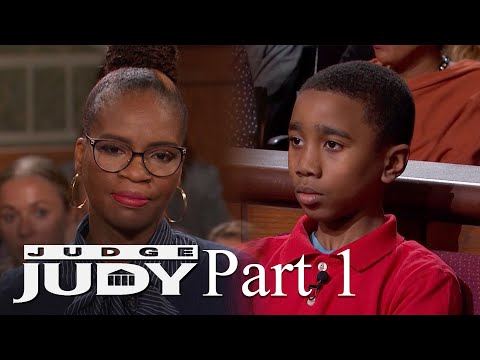
CLICK HERE TO WATCH THE FULL VIDEO
https://www.youtube.com/watch?v=TMxoDsXBTbc

CLICK HERE TO WATCH THE FULL VIDEO
https://www.youtube.com/watch?v=acFUHjtYyfM