A Plane Sale Becomes a Courtroom Dispute
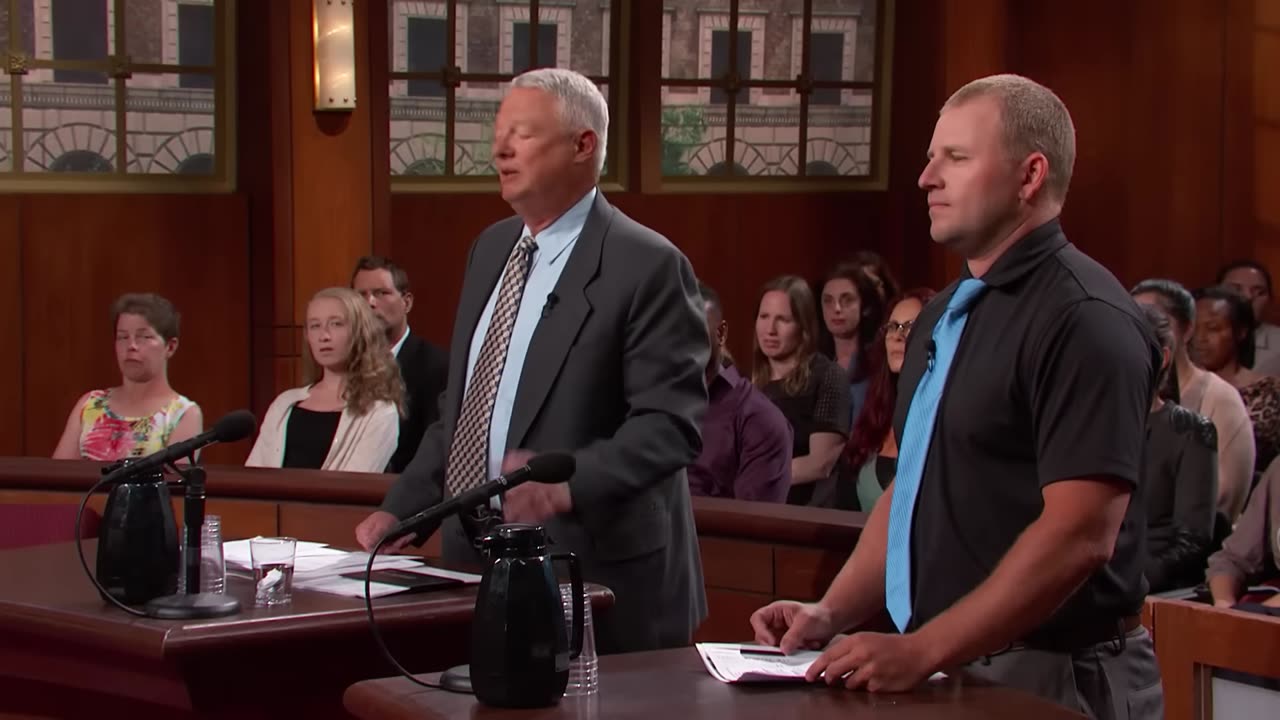
Raymond Johnson entered the courtroom as the owner of an airplane offered for sale.
Randy Briggs appeared as the man who had expressed interest in buying it.
Johnson said Briggs used the aircraft before any purchase was completed.
He also wanted reimbursement for expenses associated with that period of use.
The case therefore involved access to property, alleged promises, and disputed bills.
Judge Judy had to separate a proposed sale from a completed transaction.
Johnson still owned the plane during the period being discussed in court.
Briggs maintained that his use occurred within their continuing purchase negotiations.
Johnson considered the arrangement far more costly than he had anticipated.
The hearing followed the negotiations from their beginning to their eventual breakdown.
Its central question concerned what Briggs actually owed after the deal collapsed.
The Advertised Price Was Forty-Two Thousand Dollars
Johnson had advertised his airplane for sale before Briggs contacted him.
The stated sale price was forty-two thousand dollars, according to the courtroom account.
Briggs responded as a prospective purchaser rather than an ordinary rental customer.
Their discussions were therefore initially directed toward transferring the aircraft itself.
The amount under discussion was substantial enough to require a financing plan.
Briggs indicated that he intended to purchase the aircraft for the asking price.
His apparent willingness to buy shaped Johnson's understanding of their relationship.
The buyer still had to find a way to provide the purchase funds.
The owner also needed to know when the sale would actually close.
Nothing in the account establishes that the entire price was ever paid.
A prospective buyer could remain interested without ever becoming the legal owner.
The Man Who Wanted to Buy the Aircraft
Briggs described himself as someone familiar with flying an airplane.
He claimed that he had held a pilot's license since 2005.
His stated aviation experience supplied background to his interest in Johnson's aircraft.
Instead, the issue concerned the arrangements under which he used the plane.
Briggs was also identified in the case as someone working in landscaping.
That background became relevant when the courtroom examined his ability to finance.
The two questions are separate, even though both arise in this dispute.
Johnson was dealing with someone who presented himself as a serious buyer.
Briggs's intentions were tested against what happened after the price discussion.
No completed purchase resulted from the contact initiated by his response.
The judge consequently had to examine the dealings that occurred before the sale failed.
An August Understanding and a Missing Closing
The courtroom account places an important purchase understanding in August.
Briggs was expected to arrange the money needed to buy Johnson's plane.
He said financing might come from a bank or an aviation lender.
That explanation provided a reason why payment would not arrive immediately.
The discussion left Johnson waiting for an actual transfer of funds.
The parties did not complete the sale during that initial period.
Meanwhile, the plane remained Johnson's property and generated continuing practical concerns.
Those concerns became significant once use of the aircraft entered their dispute.
The sequence showed how an unresolved agreement could extend over multiple months.
Johnson relied on the prospect that Briggs would eventually complete the purchase.
Briggs's position rested on the claim that he was still pursuing that possibility.
The Expected Down Payment Never Arrived
The hearing also addressed a deposit connected to the proposed aircraft purchase.
A ten-percent down payment was contemplated in the arrangement described in court.
Briggs never provided that down payment, according to the account of the case.
A deposit could have demonstrated a concrete commitment while financing remained unresolved.
Here, the record described no deposit reaching Johnson at all.
The absence of money left the owner facing an uncertain sales timetable.
The missing deposit also mattered when weighing subsequent promises about future payment.
Words about buying could not replace the down payment that never materialized.
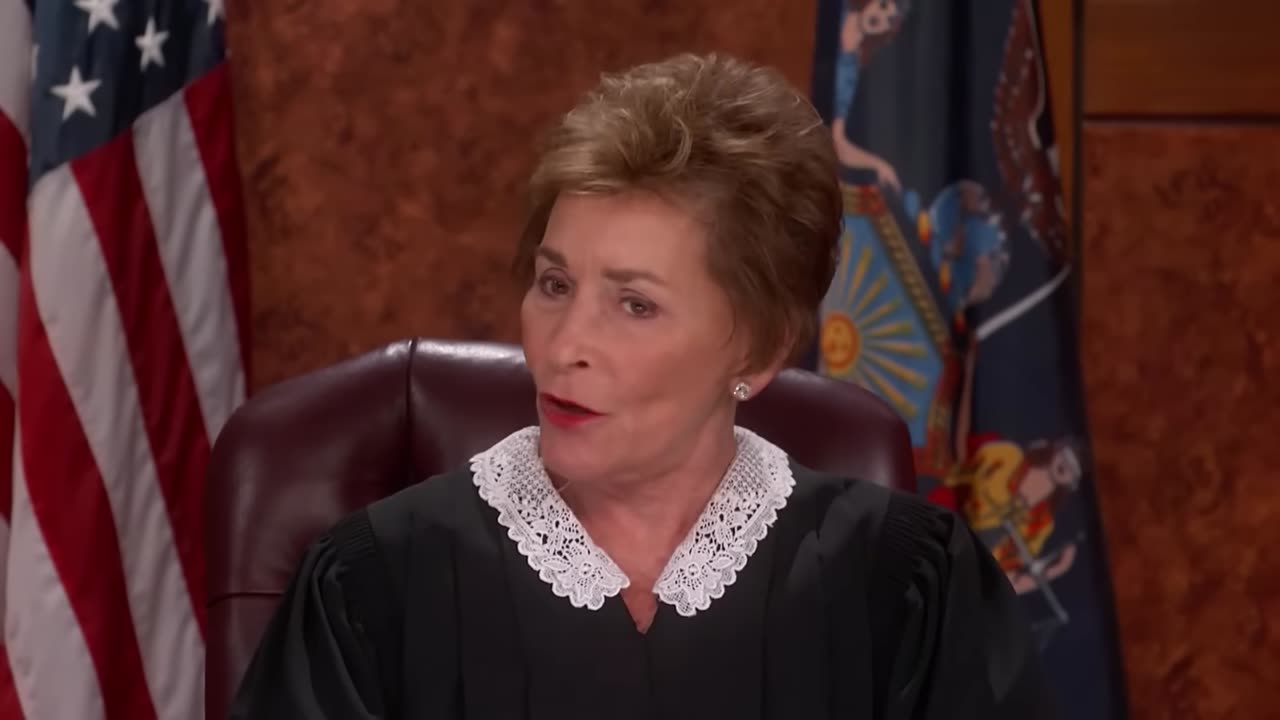
Judge Judy considered actions occurring after the alleged August agreement.
Those actions had to be evaluated beside the promises made earlier.
Without the initial payment, the proposed sale remained unfinished and increasingly contested.
The Financing Timeline Raises New Questions
A central issue was how long Briggs waited before seeking financing.
The episode account places the purchase understanding in August.
It places his actual attempt to obtain a loan in October.
That chronology left September between the initial understanding and the financing effort.
Judge Judy questioned the delay rather than treating it as an incidental detail.
An extended financing process could affect the owner's willingness to permit further flights.
Briggs eventually said that his loan request was not approved.
The rejection did not result in a completed purchase through another lender.
He nevertheless continued explaining why he believed their arrangement remained open.
Johnson disputed the way that prolonged uncertainty affected his aircraft.
By October, financing had become a key point of conflict rather than resolution.
Where Were the Loan Documents?
Judge Judy pressed the question of paperwork supporting Briggs's financing explanation.
The courtroom account describes no loan application submitted as documentary evidence.
It also describes no written rejection from the financing company.
Briggs spoke about seeking money through a lender or credit union.
His description was not accompanied by the documents that could verify the process.
A dated application could have helped establish when financing efforts truly began.
A denial notice could have supported the claimed reason the purchase failed.
Neither form of paperwork was produced in the account of this hearing.
It did leave Briggs's account without the specific corroboration the judge sought.