The judge's questions move from the arrest to the resulting request for help.
Rebecca and her father become central once the discussion reaches that request.
The hearing now turns toward who agreed to take responsibility for getting Edgar released.
The criminal allegations remain background to the civil dispute over repayment.
A Request for Help From Jail
In the second part, Judge Judy asks Adan about the contact from jail.
The discussion concerns an urgent request after Edgar's arrest.
Adan explains his involvement in helping Edgar obtain release.
Judge Judy wants a direct account of what was asked of him.
She asks what the caller said and what Adan agreed to do.
The judge presses him to distinguish an actual request from his interpretation.
His answers establish why the family began discussing bail assistance.
The matter was not an ordinary purchase or a routine household expense.
It concerned finding a way to secure the release of Rebecca's boyfriend.
Adan was approached within a family already connected through shared living arrangements.
Judge Judy examines whether that connection included a clear expectation of repayment.
The distinction becomes the central issue once the conversation turns to money.
The urgency of the call does not itself decide who must bear the cost.

Rebecca's Work and Financial Position
Judge Judy next questions Rebecca about her employment during the relevant period.
Rebecca describes working as a property manager at an apartment complex.
The court discusses the fact that she also lived at that complex.
The judge examines her earnings and the housing benefits connected to her job.
Her questions include whether Rebecca received rent below the usual market amount.
This inquiry goes beyond asking whether Rebecca had a job title.
It looks at the resources available to her when bail assistance was needed.
Judge Judy also explores her ability to obtain credit in her own name.
Rebecca had experience maintaining an apartment before the bail dispute arose.
Those details help the judge evaluate the different financial circumstances of the parties.
The questions establish whether the defendants had ways to contribute toward repayment.
They also provide background to Rebecca's later explanation about making bail payments.
The examination proceeds from employment to the family's wider financial situation.
Edgar's Employment History
The judge also questions Edgar about his work history and ability to contribute.
His answers describe work connected to mechanical or engineering duties.
Judge Judy asks whether he worked for himself or for another business.
She examines how long he had been working in that field.
These questions place Edgar's earning capacity alongside Rebecca's employment circumstances.
Both defendants are asked about their financial position following the arrest.
The judge does not allow the discussion to remain focused only on Adan's sacrifice.
She wants to understand what the couple could reasonably undertake themselves.
Their employment histories matter because repayment is the central demand before her.
The court draws a distinction between needing immediate assistance and having ongoing obligations.
Edgar's work history is considered as part of that larger picture.
The questions then return to Adan's own resources at the time of the bail.
The contrast between their circumstances becomes more prominent as the hearing continues.
Adan's Lack of Income and Credit
Adan faces his own questions about work, housing, and financial resources.
Judge Judy asks whether he was employed during the period in question.
His account indicates that he did not have a job then.
She also discusses his limited access to credit during the bail arrangements.
These circumstances matter because Adan was not described as having spare cash available.
The judge asks how he could help despite lacking those financial resources.
The answer leads directly to an asset he already owned.
Adan had a truck that he could use in connection with the bail.
This makes his contribution different from simply writing an ordinary personal check.
He was exposing an existing possession while lacking reliable income from employment.
That distinction helps explain why he sought repayment from the defendants afterward.
It also clarifies why the court repeatedly returns to the question of collateral.
Judge Judy then identifies what Adan actually put at risk.
The Truck Used as Collateral
Adan explains that he offered his truck as security for Edgar's bail.
The judge refers to the vehicle and its ownership paperwork during questioning.
The truck was the significant asset available to him at that time.
His claim concerns the obligation arising from the bail arrangement involving that vehicle.
Judge Judy asks whether he still has possession of the truck.
That question separates the vehicle itself from repayment of the disputed obligation.
The case is therefore not presented simply as a missing-truck lawsuit.
It centers on the defendants' alleged failure to meet their financial commitment.
The judge repeatedly checks that the participants understand the nature of the demand.
Adan says that he expects the money associated with the bail to be repaid.
Rebecca and Edgar offer a different account of their handling of that obligation.
The truck also explains the importance of Adan's limited access to credit.
The court must now decide what was agreed and what remains unpaid.
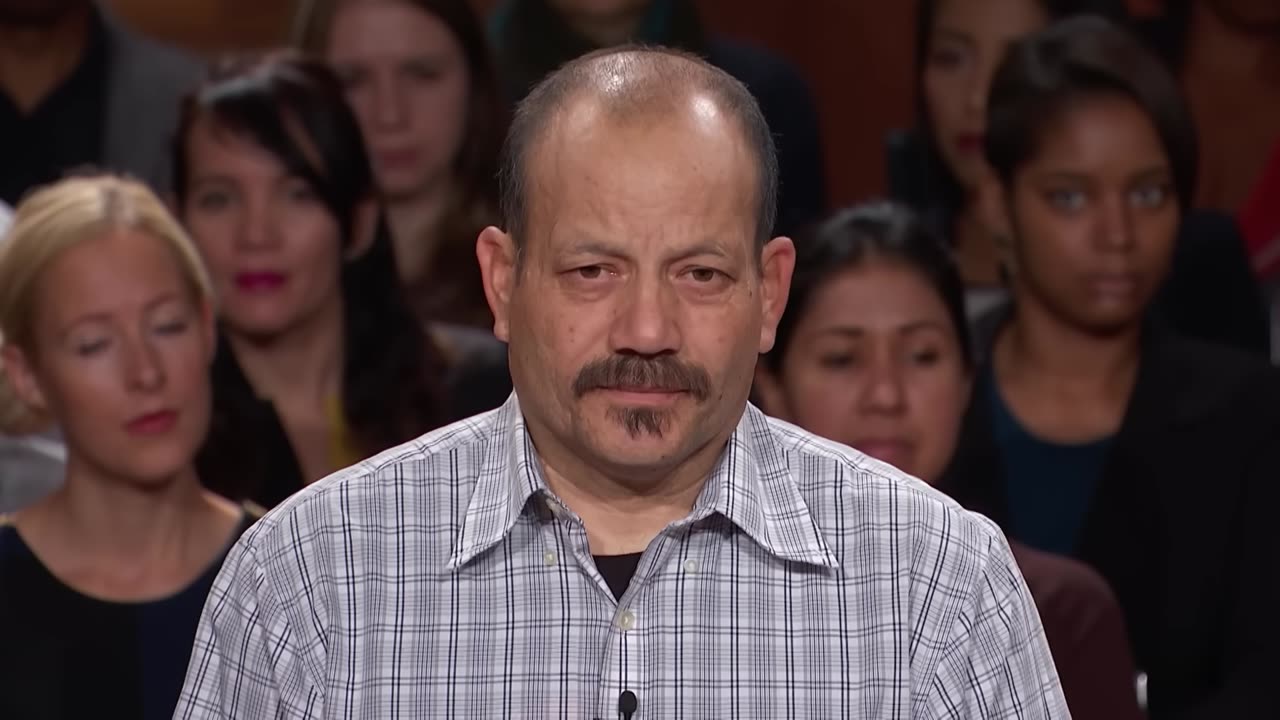
Rebecca Says Payments Were Made
Rebecca disputes the idea that nothing was paid toward the bail obligation.
She tells the court that she had made payments after the arrangement began.
Adan challenges her account and does not accept her description of repayment.
Judge Judy asks when those payments began and how long they continued.
The judge also asks about the size and remaining balance of the obligation.