FULL VIDEO AT THE END OF THE POST

The Plaintiff's Complaint
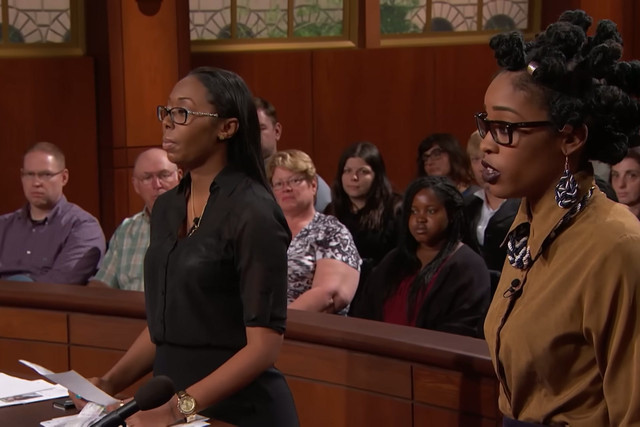
Ms. Prigeon, the plaintiff, brought a case against her friend, the defendant.
Ms. Prigeon claimed the defendant was responsible for damage to her car.
The car was left with the defendant for storage.
Ms. Prigeon was out of state at the time.
The defendant was involved in an accident with the car.
Leaving for Las Vegas
Ms. Prigeon explained she left Maryland on August 21, 2014.
She was going to Las Vegas.
Her car remained in Maryland.
Initially, she did not leave the car with the defendant immediately.
Defendant Takes Possession of the Car
The defendant took possession of the car later.
This happened after Ms. Prigeon realized she would not be returning soon.
The defendant estimated she picked up the car around the end of August.
She specified August 29 as the approximate date.
This was about two weeks after Ms. Prigeon left.
Ms. Prigeon needed a long-term storage solution for her vehicle.
She confirmed she was not going to return to Maryland.

The Accident Occurs
The defendant admitted she was driving the car when the accident happened.
The accident occurred on September 3.
The location was 295 in Maryland, on a parkway.
The defendant stated she was driving the car at the time.
She was not in a collision with another car.
Instead, the car spun out of control.
It then collided with a brick wall.
Car Ownership and Insurance
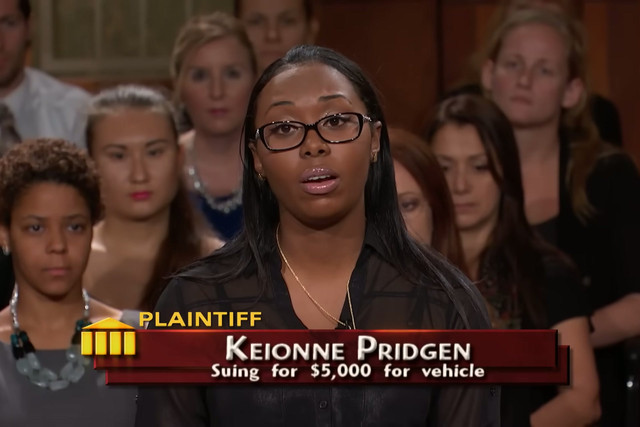
Judge Judy asked Ms. Prigeon about the car's ownership.
Ms. Prigeon presented the car title.
The title showed both Ms. Prigeon and her mother as owners.
The car had been paid off approximately four years prior.
It was financed through Wells Fargo Auto Finance.
Judge Judy then inquired about insurance coverage.
Ms. Prigeon stated she had insurance.
She explained she did not have full coverage.
She only had liability insurance.

Initial Claim of No Coverage
Ms. Prigeon initially claimed her insurance policy did not cover the damage.
She stated it would not cover anyone other than herself or her mother driving the car.
She also asserted the defendant did not have her permission to drive the car.
Judge Judy questioned this assertion.
She asked if Ms. Prigeon could not even give her car to a valet parker.
Ms. Prigeon responded, "No."
Judge Judy requested to see the insurance policy.
Ms. Prigeon did not have the policy with her in court.
The case was recalled for Ms. Prigeon to retrieve the policy.
Reviewing the Insurance Policy
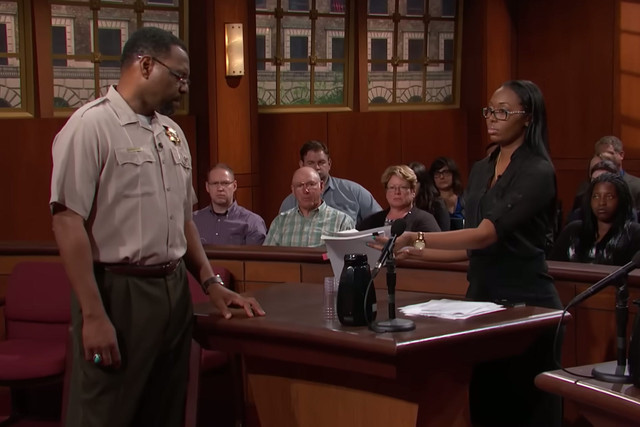
Upon the case being recalled, Ms. Prigeon provided the policy.
Judge Judy reviewed the policy.
She stated that the defendant was, in fact, covered for the accident.
Judge Judy explained that Ms. Prigeon might have misread the policy.
She also suggested Ms. Prigeon should have a conversation with her insurance company.
The policy indicated coverage under certain circumstances for household members.
Contradiction Regarding Permission
A key contradiction arose regarding permission to drive the car.
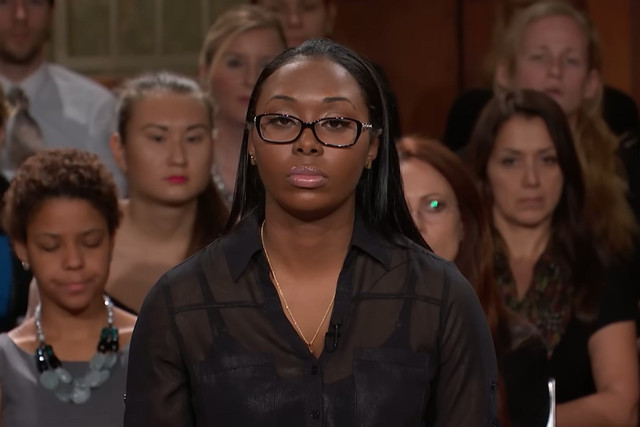
Ms. Prigeon maintained she never gave the defendant permission to drive the car.
The defendant, however, stated Ms. Prigeon gave her permission.
Ms. Prigeon claimed she did not find out about the wreck until a month after it happened.
She stated she did not give permission.

Payments Made by the Defendant
Judge Judy asked about any payments made by the defendant to Ms. Prigeon.
Ms. Prigeon stated the defendant paid her "about $200" or "close to $400."
The defendant, however, claimed she paid $200.
She asked Ms. Prigeon if she had receipts for the payments.
Ms. Prigeon did not present any receipts.

The Deductible and Lost Items
Judge Judy noted a $1,000 deductible on the insurance policy.
She stated that the insurance completely covered the damage, less the deductible.
Ms. Prigeon also mentioned losing personal items in the car.
She claimed the defendant told her the car was towed and impounded.
Judge Judy dismissed the claim for lost items.
She focused on the car damage.

The Plaintiff's Statement to Insurance
Judge Judy questioned Ms. Prigeon's statement to her insurance company.
Ms. Prigeon had told her insurance company that the defendant did not have permission to drive the car.
This statement led the insurance company to disclaim coverage.
Judge Judy asked Ms. Prigeon why she would say that.
Ms. Prigeon reiterated that she did not give permission.
She also stated she did not know about the wreck for a month.
The Judge's Decision
Judge Judy decided to dismiss the case.
The dismissal was "without prejudice."
She advised Ms. Prigeon to return to court in Nevada.
This would allow them to "sort it out."
The judge implied that Ms. Prigeon's actions or statements complicated the insurance claim.
The case was concluded with this dismissal.