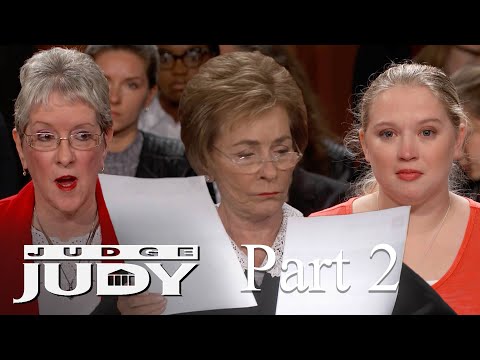
FULL VIDEO AT THE END OF THIS POST
THIS CASE IS FULL OF EMOTION AND UNEXPECTED TWISTS!
A Grandmother Sues Over a Headstone
Imagine a courtroom filled with grief.
A grandmother is suing her grandson's fiancée.
The dispute centers on a headstone.

The Plaintiff's Story
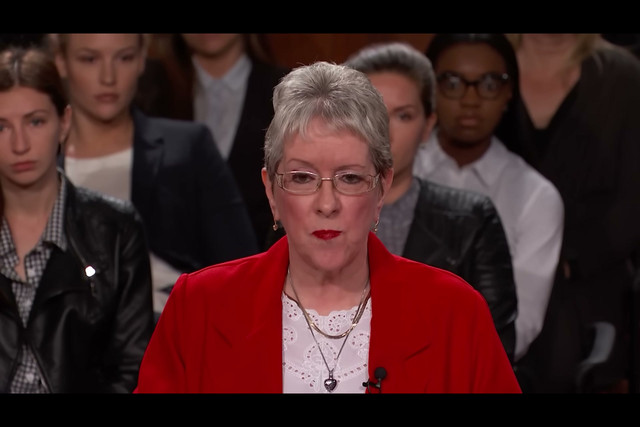
Ms. Miller is the plaintiff.
She is the grandmother of Christopher, who passed away at 26.
She took out life insurance policies on all her grandsons.
This was in October 2012.
She wanted them "taken care of properly."
She and her husband were nearing retirement.
Christopher became engaged to Ms. Morrison in July 2013.
Ms. Miller then changed the beneficiary of Christopher's policy.
She made Ms. Morrison the beneficiary.
Christopher sadly died in October 2016.
Ms. Morrison collected $10,000 from the policy.
She paid for the funeral, which cost over $6,300.
Ms. Miller is now suing Ms. Morrison for $2,000.
She wants this money for a headstone.

The Defendant's Account
Ms. Morrison is the defendant.
She confirms Christopher asked her to marry him in July 2013.
She collected the life insurance money.
She paid for the funeral expenses.
She states she is no longer pursuing the remaining $5,000 from the policy.
She says it has become "too much of a hassle."
She claims it was never about the money for her.
She and Christopher lived together for "a little over a year."
This was before he died.
She had a little over $3,000 left after funeral costs.
The Alleged Verbal Agreement
Ms. Miller claims a verbal agreement.
She says Ms. Morrison promised to pay for the headstone.
She spoke to Ms. Morrison twice in the week Christopher died.
Ms. Miller states Ms. Morrison "promised" to pay for the funeral bill and headstone.
Judge Judy asks if Ms. Morrison knew she was the beneficiary at that time.
Ms. Miller insists Ms. Morrison knew before Christopher died.
She says Christopher told her.

Judge Judy Examines the Policy
Judge Judy asks Ms. Miller about the conversation.
Did Ms. Miller tell Ms. Morrison to pay for the funeral and headstone?
Or did Ms. Morrison offer?
Ms. Miller states she told Ms. Morrison "those two things needed to be taken care of."
Judge Judy reviews the life insurance policy.
She states there is nothing in the policy.
It does not give Ms. Miller the right to direct how the $10,000 was to be used.
Judge Judy emphasizes that the policy does not specify how the proceeds should be used.
It does not mention final expenses for a 26-year-old.

The Headstone Controversy
Ms. Miller claims Ms. Morrison gave their family "false hope."
She says they had nothing to go on but Ms. Morrison.
They discussed what to put on the headstone.
Then, suddenly, there was no headstone.
Ms. Miller states there was a gifted headstone.
But the last name was spelled wrong.
It was M-O-R-G-A-N instead of M-O-R-G-E-N.
Ms. Morrison presents a picture of a headstone.
This picture shows the correct spelling.
Ms. Miller states she has never seen this headstone.
She has only been to the cemetery once.
Ms. Morrison explains that Christopher's stepfather and father were involved.
They were involved with the stones.
The one with the correct spelling might have been arranged by his father.
Judge Judy's Realization
Judge Judy points out a key fact.
If Christopher's father paid for a headstone, then a stone is there.
She asks why they are in court if a headstone exists.
Ms. Miller states she just wanted Ms. Morrison to purchase the headstone.
Judge Judy reiterates that a headstone has been purchased.
Someone else paid for it.
It is there.
Ms. Miller is not satisfied.
She still wants Ms. Morrison to pay for it.

The Demand for Money
Ms. Miller wants Ms. Morrison to pay for the money left over.
She discusses the desired inscription for the headstone.
She wants Christopher's full name.
She wants "beloved son, grandson."
She mentions Christopher has two middle names.
Christopher, Paul, Daniel, and then a last name.
She wants "beloved son, grandson" on it.

The Verdict
Judge Judy cuts her off.
"Okay, okay.
We're done here."
The case is dismissed.
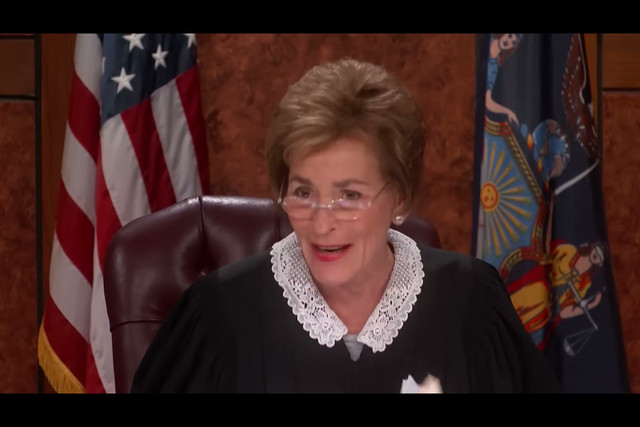
Ms. Morrison's Distress
Ms. Morrison expresses her distress.
She states she has received threats.
She has been called ungrateful.
She says none of that came from her side of the family.
She has had threats against her life.
She was told she should be ashamed.
She says it has been too much to handle.
She was only doing it for her grandson.
She wanted him to have justice and respect.
She wanted him to rest in peace.
Watch the Full Judge Judy Case Below
See how this emotional case unfolds.
The ending is quite something.
Scroll down.
Press play.
FULL VIDEO
CLICK HERE TO WATCH THE FULL VIDEO
https://www.youtube.com/watch?v=rBJgHBla3Sw