FULL VIDEO AT THE END OF THE POST

Landlord Sues for Unpaid Rent and Damages
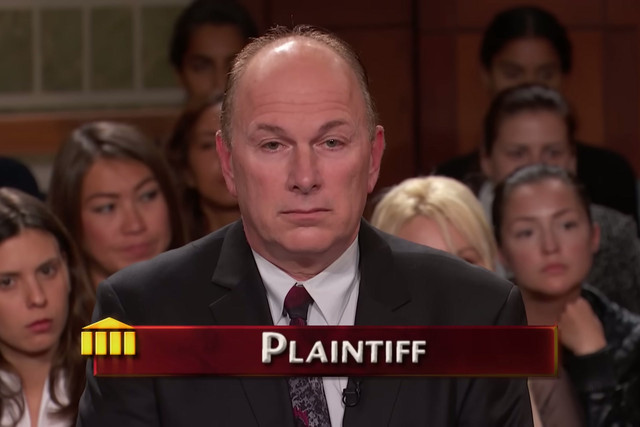
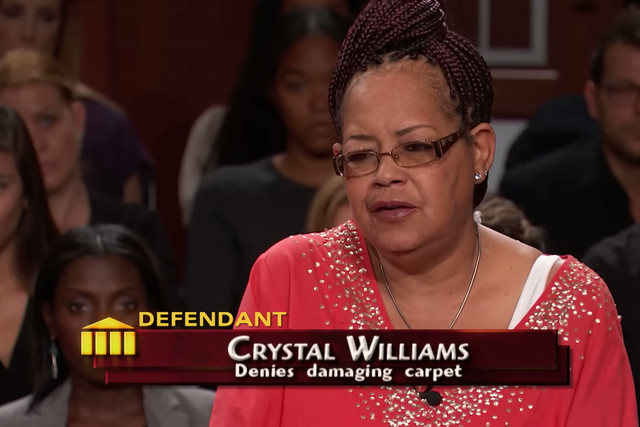
Steve Milano, the plaintiff, brought a lawsuit against his former tenant, Crystal Williams.
Mr. Milano sought unpaid rent and compensation for damages to his rental unit.
Ms. Williams, the defendant, filed a counterclaim.
She requested the return of her security deposit.
Mr. Milano owned a nine-unit apartment building.
Ms. Williams began her tenancy on April 19, 2012.
Her initial lease was for seven months.
The rent was $1,000 per month.
After the initial term, the tenancy converted to a month-to-month agreement.
Ms. Williams moved out of the apartment on November 10, 2015.

Unpaid Rent Claims
Mr. Milano stated that Ms. Williams did not pay rent for September and October 2015.
He initiated an unlawful detainer action against her in September 2015.
This action was due to her failure to pay rent.
Ms. Williams confirmed she did not pay rent for September.
She also confirmed she did not pay rent for October.
She was living in the apartment during those months.
Therefore, Mr. Milano claimed $2,000 for the two months of unpaid rent.

Tenant's Explanation for Non-Payment
Ms. Williams explained her reason for not paying rent in September.
She stated she fell down the stairs that month.
She was hospitalized after the fall.
She claimed the eviction papers were served to her son while she was still in the hospital.
She said the papers were taped to the screen door.
Ms. Williams asserted that an agreement was made.
She claimed her lawyers and Mr. Milano's lawyers agreed.
The agreement was that if she moved out by November 10th, the rent would be a "wash."
This meant the rent would be forgiven due to her fall.
Judge Judy questioned this claim.
Judge Judy asked if Ms. Williams had a written agreement for this "wash" of rent.
Ms. Williams did not present any written agreement.

Prior Fall and Lawsuit
Judge Judy revealed a significant piece of information.
Ms. Williams had previously sued Mr. Milano in 2013.
This prior lawsuit was also for a fall.
Ms. Williams recovered $50,000 from that lawsuit.
This fact raised questions about the current situation.
Judge Judy asked Ms. Williams if she thought Mr. Milano was a good landlord in 2013.
Ms. Williams did not directly answer.
Judge Judy pointed out that if she was unhappy, she should have moved.

Damages to the Unit
Mr. Milano also sought compensation for damages to the rental unit.
Specifically, he mentioned carpet replacement.
Ms. Williams had a security deposit of $736.
Mr. Milano's claim for damages exceeded this amount.
He requested an additional $1,400 beyond the security deposit.
Ms. Williams presented photographs and documentation.
She claimed these showed the apartment's condition.
She stated the carpet was "messed up" and "rotten" before she moved in.
However, she had signed a lease.
She lived in the unit for three years.
Judge Judy's Skepticism
Judge Judy expressed skepticism about Ms. Williams' claims.
She compared not paying rent to eating a steak in a restaurant.
She said it was like finishing the steak and then refusing to pay.
Judge Judy emphasized that if a tenant doesn't like where they live, they should move.
She stated that staying and refusing to pay rent is not acceptable.
The judge noted Ms. Williams had lived there for three years.
This contradicted her claim that the carpet was "rotten" when she moved in.

The Second Fall and Hospitalization
Ms. Williams reiterated that she fell in September 2015.
She was hospitalized due to this fall.
She claimed this was why she stopped paying rent.
Judge Judy asked when she was discharged from the hospital.
Ms. Williams did not provide a specific date.
She stated she was discharged in September.
Judge Judy questioned why she did not pay rent after her discharge.
Ms. Williams mentioned her ongoing lawsuit against Mr. Milano for this second fall.
Condition of the Apartment
Ms. Williams presented photographs of the apartment.
She claimed they showed the need for repairs.
She also had documentation that Mr. Milano was supposed to make repairs.
Mr. Milano stated he always fixed things that needed to be done.
He said he had other tenants in the building.
Ms. Williams signed a document listing 16 items.
She acknowledged receiving this document.
She also acknowledged that things needing to be done were done.
She admitted her signature was on the document.
Desire for a First-Floor Unit
Ms. Williams wanted to remain a tenant in the building.
She liked the building despite her complaints.
Her primary desire was a first-floor unit.
Mr. Milano offered her a first-floor unit.
However, it was for more money.
First-floor units are generally more valuable.
Ms. Williams did not accept the offer.
She felt the increased rent was unfair.
She mentioned that three different downstairs units became available.
She claimed she could not move due to her sister's illness.
Her sister had stage four cancer and died in the apartment.

Final Ruling
Judge Judy considered all the presented information.
She found Ms. Williams responsible for the unpaid rent.
Ms. Williams admitted she did not pay rent for September and October.
The rent was $1,000 per month.
Therefore, the total unpaid rent was $2,000.
Judge Judy awarded Mr. Milano $2,000 for the unpaid rent.
This amount was subject to a deduction for the security deposit.
Ms. Williams was entitled to her security deposit of $736.
The final judgment was for Mr. Milano in the amount of $1,264.