She estimated the car's value at best to be $8,000.

This meant they were "upside down" on the car.
They purchased the car in February 2013.
Shelby wanted Mr. Wright to sign off his name on the car title.
She also wanted her father to be repaid for the money he spent on repairs.
She argued her father paid for the repairs so Mr. Wright could have a ride to work.
Judge Judy corrected her.
Judge Judy stated her father paid for the repairs so that Shelby and Mr. Wright, as a couple, would have a car.
Mr. Wright's Counterclaim
Mr. Wright had a counterclaim for the money he put into the car.
He stated he stopped paying when he found out Shelby "wasn't holding up her end of the bargain."

He questioned why he should keep paying if she was not.
He also pointed out that Shelby currently had the vehicle.
At the time he stopped paying, he had the car.
Now, Shelby had the car.
Judge Judy's Assessment of Responsibility
Judge Judy addressed the agreement for repairs.
She stated that the agreement was made when Shelby and Mr. Wright were a couple.
She noted they had a joint bank account at the time.
She concluded that they were "playing house" and living together.
Judge Judy determined that Mr. Wright owed Mr. Simkins money.
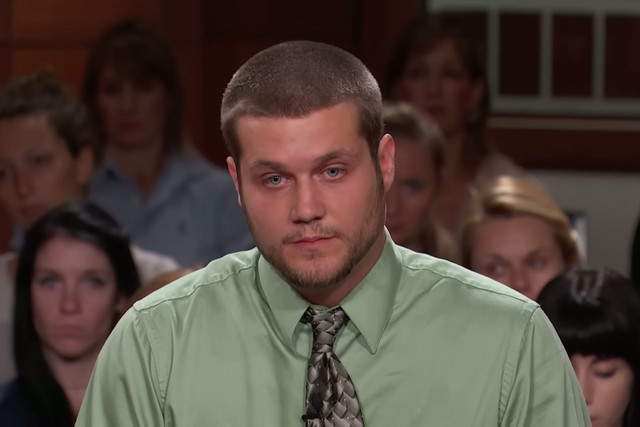
She calculated the amount based on the repairs.
She stated that Mr. Wright owed $1,270.
This amount was for his share of the repairs.
She told Shelby that she was responsible for the rest of the debt to her father.
The Verdict
Judge Judy ordered Mr. Wright to pay Mr. Simkins $1,270.
She dismissed Mr. Wright's counterclaim for the money he put into the car.
Mr. Wright had agreed to sign off on the car title.
Judge Judy ordered him to sign over the car title within five days.
This would allow Shelby and her father to dispose of the car as they wished.
Neither Shelby nor Mr. Wright would then be responsible for the car.
Judge Judy emphasized the complications of financial entanglements for "almost marrieds."
She noted that such situations become very messy.