FULL VIDEO AT THE END OF THE POST
The Rental Agreement Begins
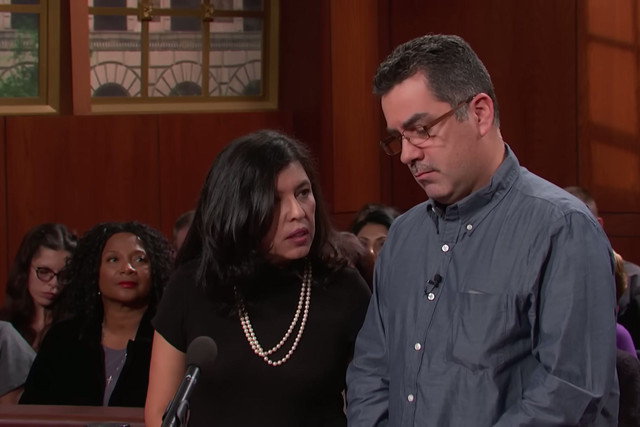
Mr. Hernandez, the defendant, rented an apartment to the plaintiff, Felix.
Felix lived there with his wife.
The tenancy began on January 1st, 2013.
The initial rent was $1250 per month.
Rent Increase
On July 1st, 2014, the rent increased to $1350.
Mr. Hernandez stated the increase was due to higher water and utility costs.
Judge Judy noted this increase occurred only six months after the plaintiff moved in.
Mr. Hernandez confirmed the plaintiff agreed to the new rent.
The plaintiff paid $1350 in July, August, and September.

October Rent Dispute
Rent was due on October 1st.
The plaintiff had a grace period until October 5th.
On October 5th, the plaintiff did not pay the rent.
Mr. Hernandez went downstairs to the plaintiff's basement apartment.
He knocked on the door.
The plaintiff opened the door.
Mr. Hernandez asked about the rent.

Plaintiff's Explanation
The plaintiff stated he did not have the rent money.
He said he was not going to stress over paying it.
He explained that his wife had an ankle injury.
This injury prevented her from working.
Mr. Hernandez told him that was not an excuse.
The plaintiff said nothing further about payment.
Mr. Hernandez then went back upstairs.
Three-Day Notice
On October 11th, Mr. Hernandez again asked about the rent.
The plaintiff reiterated he would not pay.
Later that day, Mr. Hernandez's sister, Margarita, served the plaintiff with a three-day notice.
This notice required the plaintiff to pay rent or quit the premises.
Hours later, the plaintiff went to Mr. Hernandez's door.
He was screaming that the notice was not right or legal.

The Text Message
On October 13th, 2014, the plaintiff sent a text message to Mr. Hernandez.
Mr. Hernandez described this as a "harassing text message."
The text was in Spanish.
The court interpreter translated the message.
It read: "You can stop all of this. Don't play with fire. I want to help you. Check well who your friends are and who advises you. Your parents are very proud of you based on the good decisions that you make today. Watch out. Look out for the advice of your neighbor. Please, it depends on you. Please think about me. I wish you the best."
The plaintiff stated that when he mentioned "neighbor," he was referring to Margarita.
He claimed he did not know Margarita was Mr. Hernandez's sister.
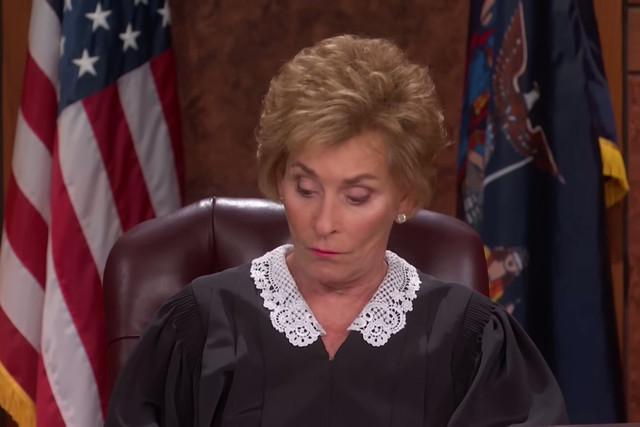
Judge Judy found the text hostile.
Seeking a Restraining Order
Mr. Hernandez stated he took the text message seriously.
He interpreted the phrase "Don't play with fire" as a threat.
He also considered the plaintiff's aggressive behavior from a few days prior.
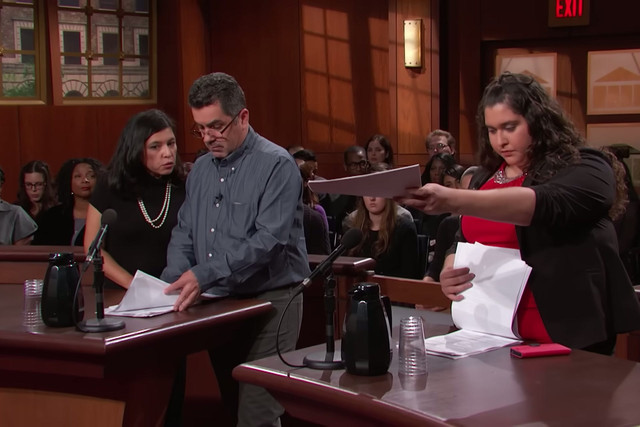
Mr. Hernandez went to the sheriff's station.
He explained the situation to the sheriff.
He then filed a temporary restraining order against the plaintiff.
Service of the Restraining Order
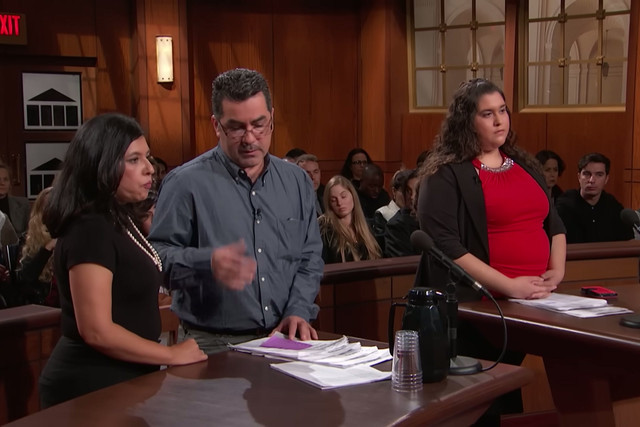
Mr. Hernandez did not personally serve the restraining order.
The sheriff's department served the plaintiff.
Mr. Hernandez could not recall the exact date of service.
On October 17th, 2014, the plaintiff found an officer's card on his door.
This indicated he had been served with a restraining order.

The Locks Are Changed
On October 21st, 2014, the locks on the apartment door were changed.
The plaintiff's son called him to inform him of this.
The plaintiff claimed Mr. Hernandez used the restraining order to unlawfully evict him.

Defendant's Claim of Abandonment
Mr. Hernandez denied locking the plaintiff out.
He claimed the plaintiff willingly left the property after the restraining order was served.
He stated the plaintiff had been in the property for more than a week after the restraining order.
Mr. Hernandez observed no one going in or out of the apartment during that time.
He also claimed the plaintiff had taken his refrigerator and most of his belongings.
Mr. Hernandez concluded the plaintiff had abandoned the property.

Judge Judy Reviews the Restraining Order
Judge Judy examined the temporary protective order.
She noted it explicitly stated it could not be used to evict a tenant.
She questioned Mr. Hernandez's actions.
Judge Judy stated that Mr. Hernandez changed the locks.
Mr. Hernandez denied this.
He insisted the plaintiff abandoned the property.
Judge Judy's Assessment
Judge Judy acknowledged the plaintiff's responsibility to pay rent.
She also recognized the landlord's responsibilities.
She pointed out that Mr. Hernandez had a tenant who paid rent regularly for a significant period.
The plaintiff had lived there for almost two years.
He had paid rent for eight months at the increased rate.
Judge Judy noted the plaintiff experienced a difficult time when his wife could not work.
She stated that Mr. Hernandez could not use a restraining order for eviction.
The Verdict
Judge Judy found Mr. Hernandez's actions to be a misuse of the legal process.
She concluded he used a restraining order without merit.
She believed he used it to gain leverage in a landlord-tenant dispute.
Judge Judy ruled in favor of the plaintiff.
She awarded the plaintiff $5,000.