FULL VIDEO AT THE END OF THIS POST
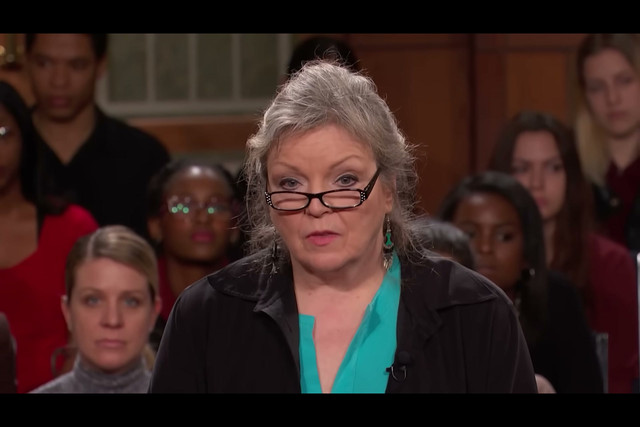
THIS EXCUSE DID NOT GO WELL IN COURT!
A Car Deal Lands in Judge Judy's Courtroom
Imagine trying to buy a car without a clear agreement.
That is the situation Melanie Riley finds herself in.
She is suing a car lot owner and his friend.

The Plaintiff Seeks Her Money Back
Melanie Riley is the plaintiff.
She is suing Bob Saracino, the car lot owner.
Thomas Weiler, a friend of Bob Saracino, is also a defendant.
Ms. Riley wants the return of money she paid for a Volkswagen.
She claims she entered into a layaway agreement.
She says the car was damaged while on their lot.
Now, she no longer wants the car.

The Search for a Daughter's Car
Ms. Riley wanted to buy a car for her daughter.
Her daughter knew exactly what kind of car she wanted.
They found the car on the defendants' lot.
The price of the car was $6,500.
It was not marked.

The Layaway Agreement
Ms. Riley did not have all the money upfront.
She asked to purchase the car on layaway.
She says the defendants agreed to keep the car on the lot.
She would pay them towards the car.
They would give her the car once it was fully paid off.

The Missing Contract Details
Judge Judy asks if Ms. Riley signed a contract.
Ms. Riley confirms she did.
Judge Judy asks to see the contract.
Ms. Riley states the contract did not mention layaway.
The total for the car, with tax, was $7,200.
Ms. Riley made a $200 deposit in February 2016.
Judge Judy asks how long they were supposed to keep the car.
Ms. Riley says it was never really stated.
She told them she would pay as soon as she could.
Judge Judy points out it is not stated in the contract.
A Disputed Signature
Ms. Riley claims there was an additional deal.
She says she signed it.
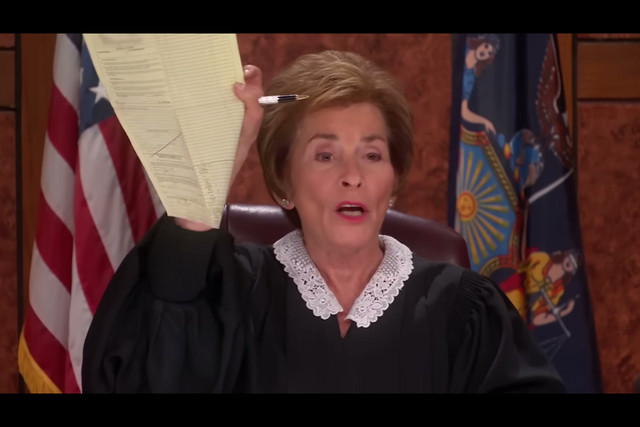
Judge Judy asks to see it.
Ms. Riley then states, "That's not my signature.
OK.
That's false."
Payments and Damage Claims
Ms. Riley made her last payment in July.
This was six months after the initial deposit.
She had paid a total of $2,800.
Her complaint states the car was left outside.
She claims the weather damaged it.
Some of the molding was off.
She no longer wants the car.
She wants her money back.
She says it was damaged quite a lot.
Judge Judy's Patience Wears Thin
Judge Judy tells Ms. Riley, "Well, that's too bad.
That's your fault."
Ms. Riley asks how it was her fault if it was on their lot.
Judge Judy reiterates, "That's your fault."
She questions the expectation for them to store the vehicle.
Ms. Riley paid less than half of the agreed price.
The defendants kept the car in good faith.
They expected to get paid.
Judge Judy asks about the length of a layaway.
She questions if it's two years, one year, six months, or nine months.
She finds it unreasonable to believe businessmen would agree to an open-ended payment plan.
She asks what if Ms. Riley couldn't pay it off in four years.

The Daughter's Money
Ms. Riley insists it would not have taken that long.
She says her daughter had the money to pay it off in August.
Judge Judy asks about three years.
Ms. Riley repeats her daughter had the money for August.

The Counterclaim and the Contract
Judge Judy tells Ms. Riley, "You're not getting your money back."
She explains the defendants have a counterclaim.
Their counterclaim is for specific performance of the contract.