FULL VIDEO AT THE END OF THIS POST
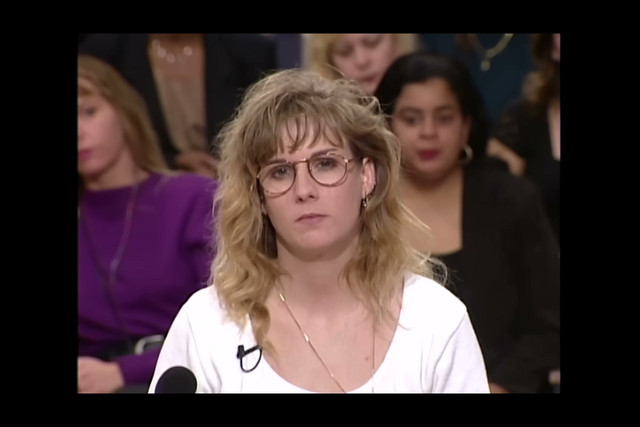
YOU WON'T BELIEVE WHAT HE TOLD JUDGE JUDY!
A Child Support Dispute Lands in Court
Imagine trying to explain your finances to Judge Judy.
This plaintiff finds himself in that exact situation.
The plaintiff is suing the defendant.
They share a daughter.
They were never married.
The plaintiff claims he overpaid child support.
He says this happened after a reduction was granted.
He is suing for $600.
This amount includes interest.
The defendant claims the plaintiff owes her attorney fees.
She says these fees are from a child custody hearing.

Judge Judy Questions the Plaintiff's Payments
Judge Judy wants to understand the lawsuit.
She asks about their history.
They dated about five years ago.
They had a baby.
They never married.
The plaintiff started paying child support through the court.
Then he had another baby.
He went back and got a reduction.
The money was taken directly from his check.
The plaintiff confirms this.
It was an income deduction order.
The money went directly to the defendant from the court.
The plaintiff claims he overpaid $108 after the reduction.
He confirms this amount.
Judge Judy asks why he is suing for $600.
He says it is for interest and other things.
Judge Judy notes they have a five-year-old daughter.
Her name is Berlin.
The plaintiff states he always paid support from the time she was born.
He confirms this.
Judge Judy asks how much he paid monthly in her first year.
He says he paid for her schooling.
He estimates around $400.
Judge Judy points out the child was not in school at six months old.
The plaintiff clarifies he gave money whenever she needed it.
Judge Judy asks for a regular amount.
She asks if it was $50, $100, or $200 a week.
The plaintiff says he wouldn't know exactly.
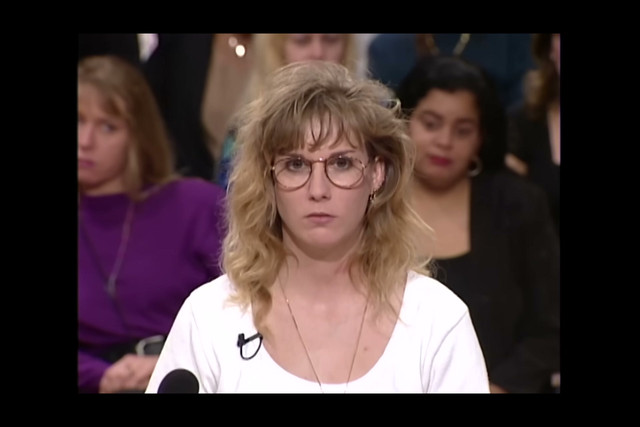
The Defendant's Side of the Story
Judge Judy asks the defendant about the first year of child support.
The defendant states she received nothing.
She says she didn't get child support until about two years ago.
That's when she got a court order.
Judge Judy notes there was a paternity proceeding.
The plaintiff was ordered to pay child support through the court.
The defendant says he paid for some schooling before.
Then he quit paying.
She then went to court to get the court order.

The Plaintiff's Vague Answers Continue
Judge Judy asks the plaintiff how much he paid in the second year.
He repeats that he gave money whenever she needed it.
Judge Judy asks for a specific amount.
He says he doesn't know.
He states he gave money anytime she asked.
Judge Judy reminds him she shouldn't have to ask.
She asks if he paid any regular child support until taken to court.
The plaintiff confirms this.
He says there was nothing regular, like $200 a month.
He claims he gave money anytime she needed something.

The First Court Order
Judge Judy asks about the amount ordered when he was taken to court.
He says it was $56 a month the first time.
Judge Judy asks if he ever gave her $56 a month before that.
He says he would imagine so.
Judge Judy asks the defendant.
The defendant says no, not in a set amount.
Judge Judy asks if he paid anywhere near that total.
The defendant says he paid nothing monthly.
Judge Judy asks about schooling or other expenses.
The defendant says her school never totaled that much.
Judge Judy clarifies if the $56 was regular support or for arrears.
The defendant says it was regular support.